Direct Widescreen Frames with Optics, Motivated Lighting and Story
A film director does not ask for "cinematic" footage—a director chooses a focal length, blocks character movement, justifies every practical light fixture, and grades colors to support the psychological narrative. This guide teaches you how to direct AI image models with the precision of a professional cinematographer.
Choose the exact moment
A film still needs one readable moment: a traveler holding a map beside a stalled car, not arriving, arguing and driving away in the same image. Give the person a visible action and include one clue that suggests what might happen next.
Frame the relationship
An establishing shot emphasizes place and scale. A close-up emphasizes expression. A low angle can suggest power, but it is not always dramatic. Decide what the viewer should notice, then choose the shot size and angle that support that intention.
Movement is a visual reference
A tracking or dolly reference can suggest the composition of a frame captured during movement. A still-image generator does not produce an actual camera move. If you want a sharp subject, explicitly distinguish subtle background motion blur from blurred facial features.
Use restrained finishing choices
Try a neutral palette with warm highlights and fine film grain before adding heavy effects. Lens and film-stock language suggests a look, not proof of capture on specific equipment. Set supported image dimensions separately except for Midjourney’s inline --ar parameter.
Cinema Focal Lengths & Framing Character
35mm Cinema Prime (The Environmental Lens)
Moderate wide angle. Keeps the subject close while capturing substantial environmental context without severe edge distortion.
50mm Cinema Prime (The Human Eye Perspective)
Neutral, grounded optical perspective. Matches normal human field of view with natural spatial relationships.
85mm–105mm Telephoto (The Emotional Close-Up)
Strong optical background compression. Flattens perspective and isolates facial micro-expressions with creamy background bokeh.
Anamorphic Framing & The 2.39:1 Widescreen Ratio
Cinema is widescreen. The 2.39:1 aspect ratio (often called Scope) delivers the sweeping panoramic horizontal width of the cinema screen. Anamorphic lenses use specialized cylindrical glass that introduces characteristic horizontal streak flares, elliptical out-of-focus bokeh, and gentle edge falloff that instantly trigger theatrical visual memories in viewers.
Building 3-Dimensional Depth in a 2D Frame
Foreground Plane
Out-of-focus rain streaks on a windowpane, an over-the-shoulder silhouette, or a doorway frame.
Mid-Ground Plane
Your primary narrative subject actively engaged in their key action or emotional pause.
Background Plane
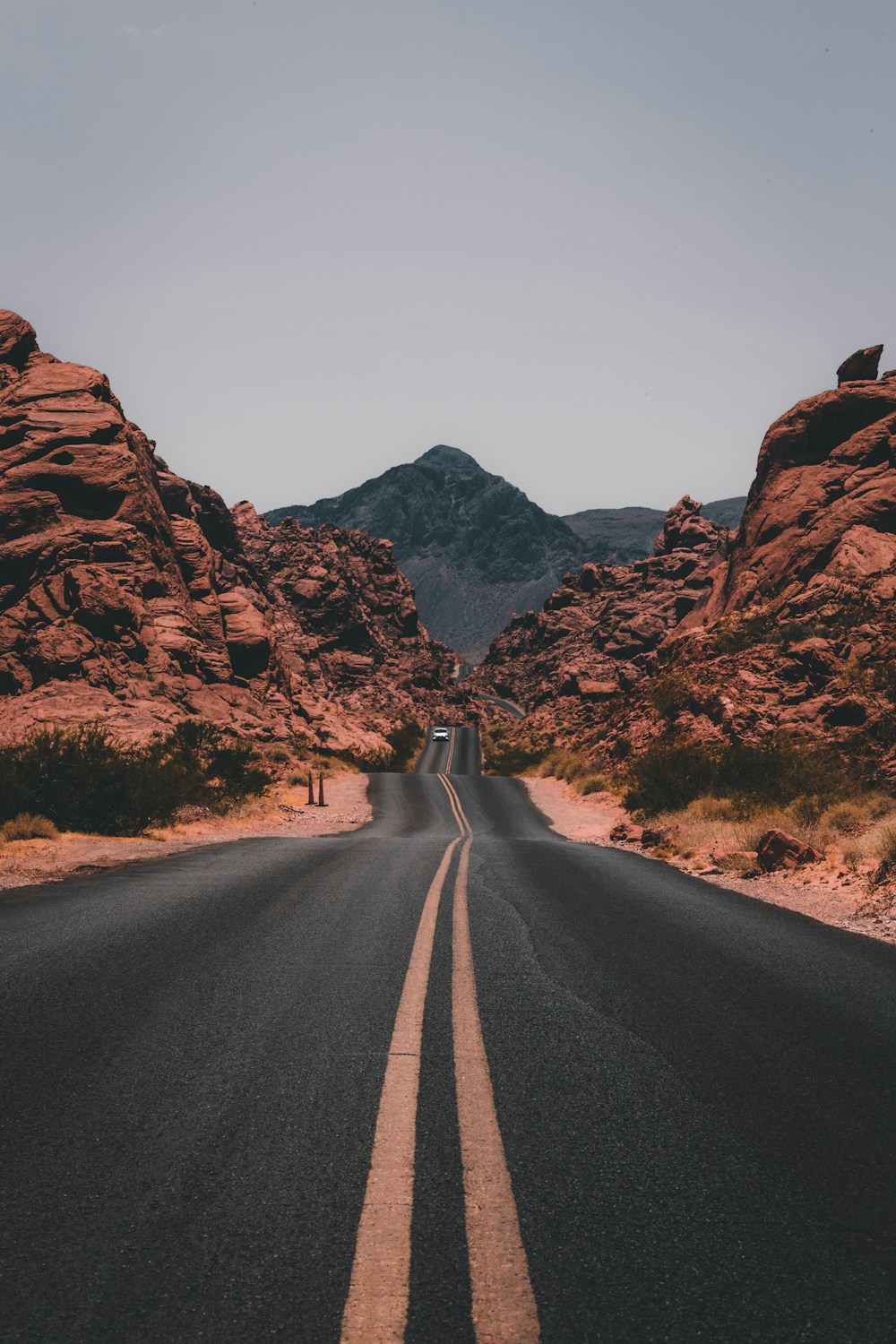
Receding architectural perspective, street mist, distant approaching headlights, or soaring mountain silhouettes.