 Cinematic
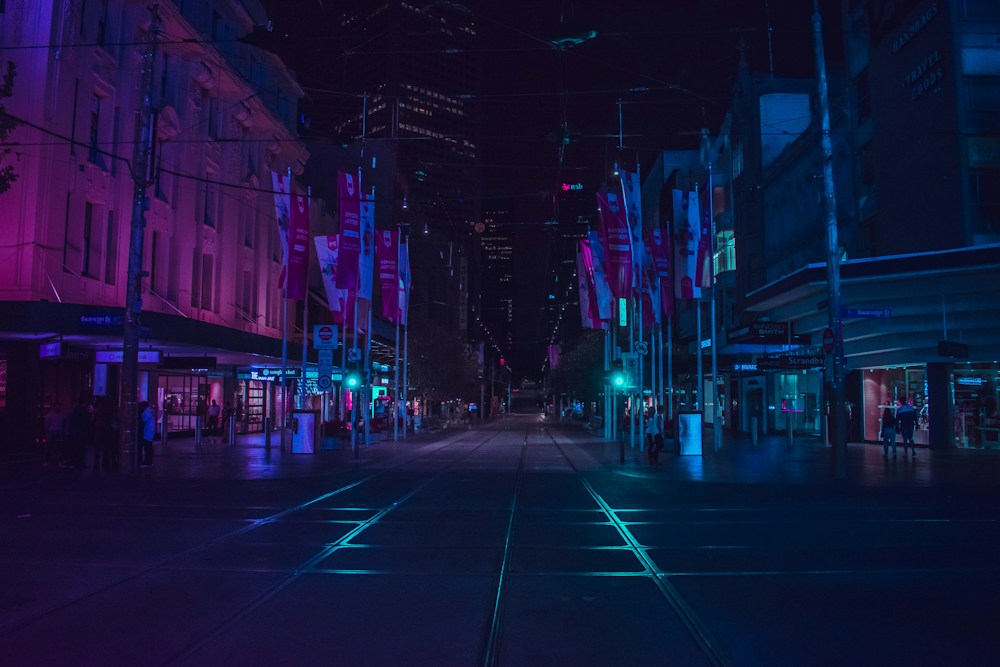
Neon Rain City Night
Describe a single moment rather than requesting an entire moving sequence.
View promptCompose atmospheric film stills with motivated lighting, authentic lens characteristics, and narrative storytelling cues.
From scene to film still
A cinematic AI prompt does not simply ask for "cinematic" or "photorealistic" rendering. True cinematic imagery captures a single, paused narrative moment—a frame extracted from a larger motion picture sequence. It implies a story that occurred before the shutter opened and a continuation after it closes.
Rather than placing a subject in an isolated void, cinematic prompting anchors characters within a living, breathing environment where lighting, architecture, weather, and physical props all serve visual storytelling.
Ordinary prompts often specify generic subjects ("a person in a room, highly detailed"). In contrast, cinematic prompts specify optical lens traits (such as anamorphic distortion or 35mm focal compression), aspect ratio standards (such as 2.39:1 widescreen or 16:9), and motivated lighting sources.
Cinematic composition deliberately uses negative space, rule-of-thirds offsets, foreground obstruction, and atmospheric haze to guide viewer gaze and evoke emotional tension rather than rigid symmetrical catalog placement.
Workflow
Specify who or what is present, what action they are actively performing, and include a physical narrative clue (e.g. holding an unread letter, glancing toward approaching headlights).
Select a camera framing (wide establishing, medium side shot, tight close-up) and lens perspective (35mm environmental or 85mm intimate telephoto) to dictate emotional distance.
Every light source must be justified by the environment: amber tungsten lamps, cool moonlight, neon storefront glow, volumetric window rays, or high-contrast rim light.
Define tonal mood with restrained palettes (e.g. teal shadows with warm amber skin tones, desaturated bleach bypass, or subtle 35mm film grain) to complete the filmic look.
Best Practices
Movies are widescreen. Use 16:9 or 2.39:1 aspect ratios to give your scene panoramic breathing room. Anamorphic framing introduces characteristic horizontal flares, oval bokeh highlights, and realistic edge falloff that mimic cinema camera lenses.
Choose 35mm or 40mm when the environment is as vital as the character—it draws the viewer into the room. Switch to 85mm or 105mm for dramatic character moments where you want tight background compression and razor-sharp facial emotional cues.
Low angles subtly elevate authority, threat, or awe. High angles emphasize isolation, helplessness, or tactical oversight. Eye-level Dutch tilts and off-center three-quarter views create natural tension without requiring artificial action descriptions.
In cinema, lighting always originates from a believable source. Specify practical lights: a desk lamp in a shadowy study, flickering emergency sirens, wet street neon, or golden sunset slicing through dusty blinds. This creates natural rim lights and volumetric depth.
Avoid flat two-dimensional staging. Build three distinct depth planes: an out-of-focus doorway or rain streaks in the immediate foreground, your primary subject in the mid-ground, and receding architectural haze or distant headlights in the background.
Cinematographers work with limited palettes. Pair warm skin highlights with cool desaturated shadows (teal-and-orange balance), or specify a low-key chiaroscuro palette. Avoid conflicting color instructions that confuse AI diffusion steps.
A frequent beginner mistake is pairing opposing directives, such as requesting "wide establishing shot" and "extreme macro close-up," or "harsh midday sunlight" alongside "glowing neon night." Choose one clear, unified optical setup per generation for predictable results.
Examples
FAQ
A photorealistic image simply replicates reality, often resembling a sharp smartphone snapshot or studio catalog photo. A cinematic image evokes narrative storytelling through deliberate cinematographic choices: controlled depth of field, optical lens characteristics (such as 35mm anamorphic flares), motivated light sources that belong inside the world of the scene, and composition using negative space to imply a continuing storyline.
The 2.39:1 ratio (often called Anamorphic Scope) is the traditional wide theatrical widescreen standard used in epic cinema. It is significantly wider than standard 16:9 television screens. In Midjourney, you specify this by appending `--ar 2.39:1` or `--ar 21:9`. In Stable Diffusion or DALL-E, select landscape dimensions such as 1344x576 or 1536x640 to produce a panoramic cinematic frame.
Anamorphic lenses use specialized cylindrical glass elements that squeeze a wide horizontal field of view onto standard film or sensors. Out-of-focus background light points appear as distinct vertical or elliptical ovals rather than perfect circles, accompanied by characteristic horizontal streak flares. Adding "anamorphic bokeh" or "anamorphic lens characteristics" guides AI models toward authentic theatrical aesthetics.
For broad establishing shots and immersive environmental scenes where the character interacts with their surroundings, specify 28mm, 35mm, or 40mm lenses. For natural eye-level dialogue framing, 50mm provides neutral realism. For intimate character close-ups with compressed backgrounds and dramatic subject isolation, specify 85mm or 105mm portrait lenses.
Motivated lighting means every primary light source has a plausible origin in the scene. Rather than writing "dramatic lighting," specify "warm tungsten table lamp from screen-left casting long shadows," "cool moonlight through blinds," or "neon storefront reflections on wet pavement." Providing a physical origin helps AI diffusion models render physically consistent specular highlights and contact shadows.
Structure your prompt into three distinct spatial planes: foreground (e.g. out-of-focus rain droplets on glass, an over-the-shoulder silhouette), mid-ground (your primary subject performing their key action), and background (receding city architecture, misty mountains, or distant headlights). Layering these planes creates convincing perspective and avoids flat images.
Midjourney excels with evocative visual phrases and requires the `--ar 2.39:1` parameter for widescreen framing. Stable Diffusion (SDXL) responds best to structured, comma-separated tokens specifying lens, lighting, and composition, paired with a negative prompt to suppress artifacts. DALL-E performs best with descriptive natural-language paragraphs describing the complete scene without parameter flags.
Cramming a prompt with "photorealistic, 8k, unreal engine 5, octane render, cinematic, masterpiece, hyperdetailed" creates conflicting stylistic tokens. The diffusion model attempts to satisfy conflicting aesthetics (e.g. 3D game engines vs. vintage anamorphic film glass), resulting in plastic textures, oversaturated colors, or noisy edges. Concrete descriptions of light, lens, and subject always outperform generic praise words.
Cinematic
Describe a single moment rather than requesting an entire moving sequence.
View prompt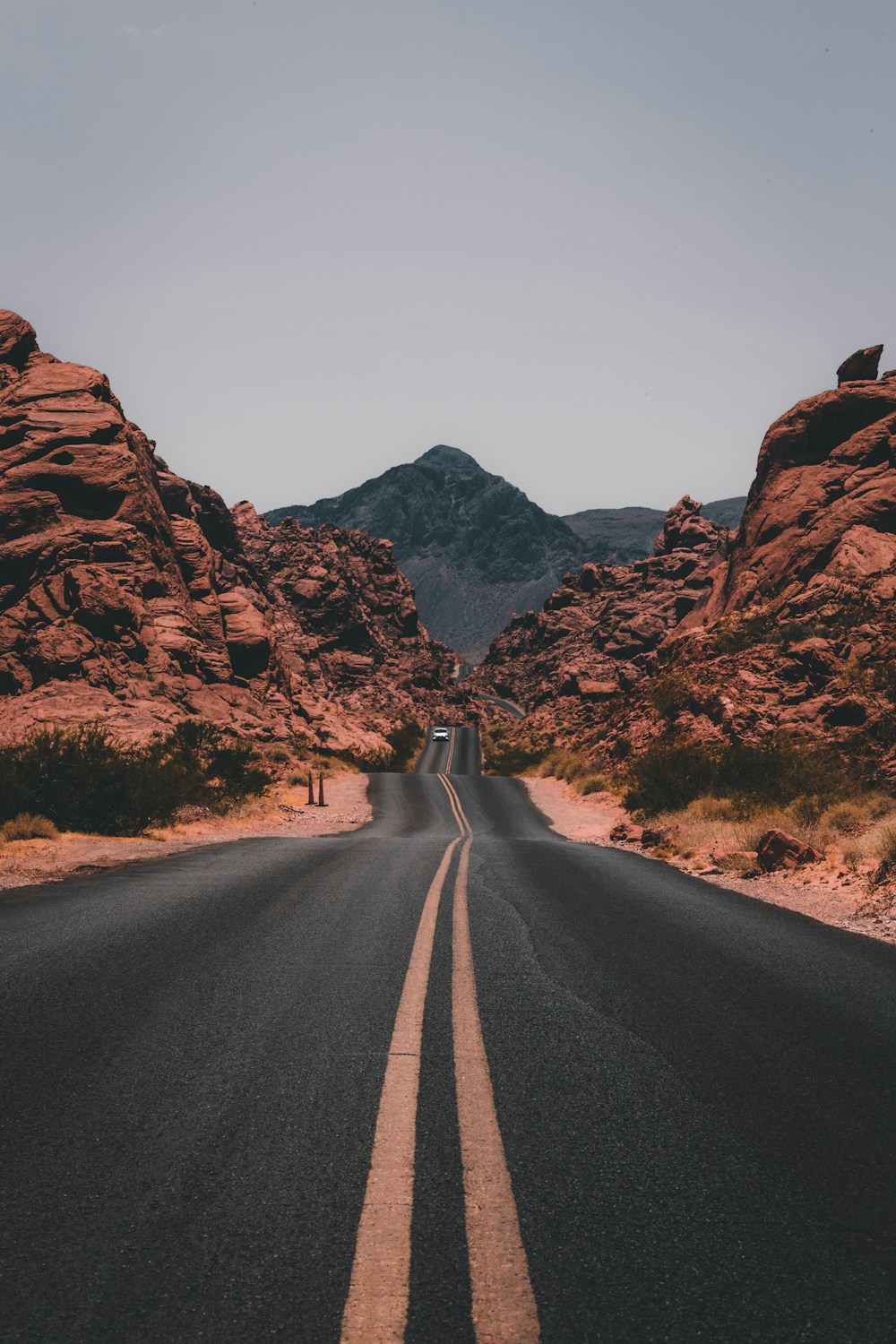 Cinematic
The map and distant dust suggest a story without dictating multiple events.
View prompt
Cinematic
Leading lines can guide attention without forcing a centered subject.
View prompt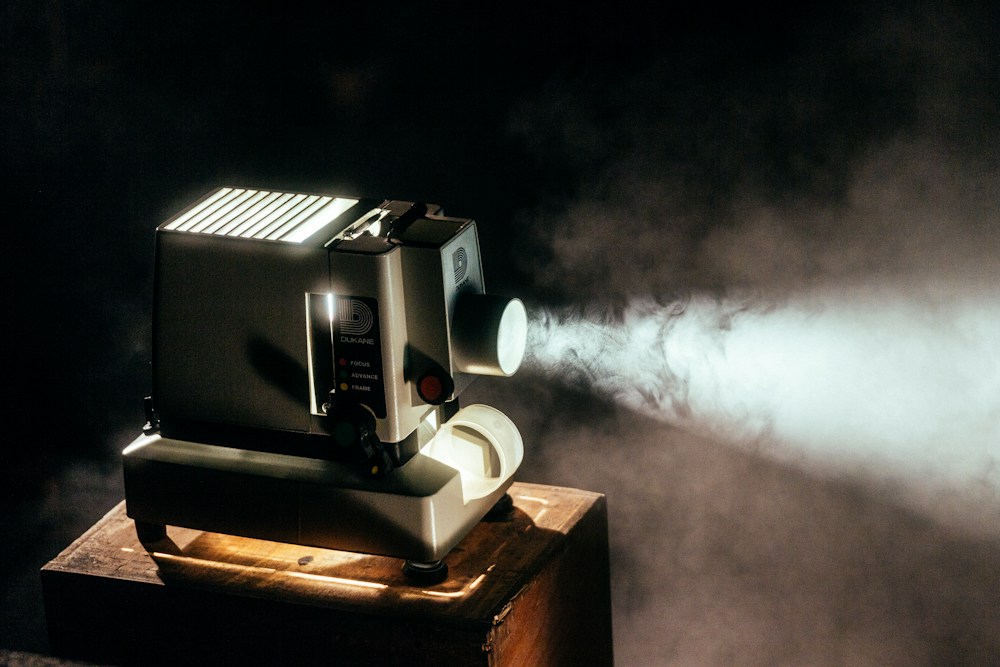
Prompt writing guide
Build a single compelling frame with framing, light and story clues.
Prompt writing guide
Separate your visual brief from model-specific settings and exclusions.
Build rich, structured prompts for any subject, style and mood in seconds.
PortraitsControl lighting, lens, expression and skin detail for lifelike portraits.
3D ArtDesign collectible-style characters with materials, poses and display bases.
CommercialStudio setups, surfaces and reflections for clean e‑commerce visuals.